




JR East, JR Central, JR West, JR Shikoku and JAL join forces to connect three of Japan’s great pilgrimage regions through rail, air, and local experiences
TOKYO, Sept. 10, 2026 /PRNewswire/ — JR East today announced a new initiative with four of Japan’s major transportation companies aimed at travelers seeking more than sightseeing. This collaboration will make it easier for international travelers to discover three of Japan’s ancient pilgrimage regions through experiences centered on nature, reflection, and well-being.

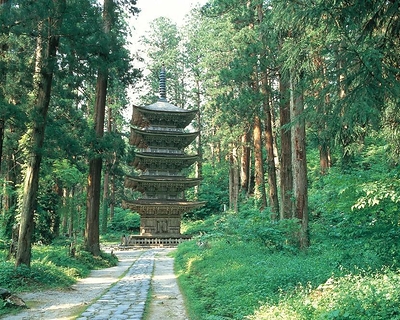
MainVisual_DewaSanzan
https://en.japantravel.com/feature/sacred-journeys
The initiative brings together East Japan Railway Company (JR East), Central Japan Railway Company (JR Central), West Japan Railway Company (JR West), Shikoku Railway Company (JR Shikoku), and Japan Airlines Co., Ltd. (JAL) to Dewa Sanzan (Yamagata), three sacred mountains that symbolize rebirth; the Kumano Kodo (Kii Peninsula), a UNESCO World Heritage Site pilgrimage; and the Shikoku Henro, a circular pilgrimage connecting 88 temples, through a combination of rail, air, and local transportation.
Rather than landmark-hopping, the five companies are encouraging travelers to explore these regions through walking, nature, spirituality, cultural exchange, and reflection. The program aims to broaden the appeal of regional Japan to international visitors, directing more travelers beyond the country’s major cities and into smaller communities. In the Dewa Sanzan region, JR East will also use its Joyful Train services, specially designed trains that make the journey itself part of the travel experience, to connect international visitors with Yamagata’s landscapes, culture, and regional attractions.
The launch comes as Japan welcomes record numbers of international visitors. According to the JNTO*1, the country received more than 42.6 million overseas visitors in 2025, surpassing the previous annual record. At the same time, wellness tourism has become a major global travel market, with worldwide expenditure estimated at US$894 billion in 2024, according to the GWI*2.
The five companies see Japan’s pilgrimage traditions as a natural fit for this travel landscape. Unlike conventional sightseeing, these pilgrimages support reflection, well-being, and a deeper connection with the places they visit. Like the pilgrimage routes themselves, the initiative is focused on the journey rather than a single destination, taking travelers through mountains, forests, villages, and communities. Whether travelers are walking ancient trails or traveling aboard JR East’s Shinkansen and local trains, the experience of moving through a region becomes an integral part of the trip.
Image for the Cross-Regional Tourism Model: https://x.gd/zfnSq
A new model for regional tourism
The long-term vision is to use this model of wellness and spiritual culture as a template for a more sustainable model of inbound tourism that tackles localized overtourism by connecting regions rather than concentrating visitors in Japan’s best-known cities.
By linking transportation, local experiences, and communities across three distinctive pilgrimage traditions, JR East, JR Central, JR West, JR Shikoku, and JAL aim to make it easier for international travelers to discover a different side of Japan and to give them reasons to return and continue their journey.
Sacred Journeys Media Fact Sheet: https://x.gd/fhXvB
Takako Tsutsumiguchi, Division Senior Manager, East Japan Railway Company, said:
“Japan’s pilgrimage routes offer travelers something that goes beyond seeing a destination. They offer travelers time to walk, reflect, and reconnect with themselves while experiencing the culture and nature of each region. Through collaboration across our five companies, we hope to make these journeys more accessible to international visitors and create new reasons for them to return to Japan.”
More information
JR East Travel Factbook: https://x.gd/9k60rj
JR East FACTBOOK 2026 (JP/EN): https://www.jreast.co.jp/company/ir/library/factbook/pdf/data.pdf
Official Photos: https://x.gd/OhOKx
References:
*1 JNTO, Statistical Report (January 21, 2026). https://www.jnto.go.jp/news/press/20260121_monthly.html
*2 GWI, Industry Analysis (May 14, 2026). https://globalwellnessinstitute.org/global-wellness-institute-blog/2026/05/14/business-events-wellness-tourism-and-the-value-of-gathering/
About East Japan Railway Company (JR East):
East Japan Railway Company (JR East) is one of the world’s leading rail operators, managing an extensive network of approximately 7,300 kilometers and serving more than 16 million passengers each day across eastern Japan.
More: https://www.jreast.co.jp/en/company/
About the Partner Companies
Central Japan Railway Company (JR Central) Aichi
West Japan Railway Company (JR West) Osaka
Shikoku Railway Company (JR Shikoku) Kagawa
Japan Airlines Co., Ltd. (JAL) Tokyo